Tales of the Eastern March

A thunder roars in the distance. Land is burning. You are lost but there's no map in the X Century. Time to pray. But to whom?

Discover False Gods

983 AD

The Great Pagan Rebellion

"Warriors, who used to be our servants, now free as a consequence of our injustices. For our sins made us fear and made them brave."
Thietmar of Merseburg, Chronicon, c. 1012
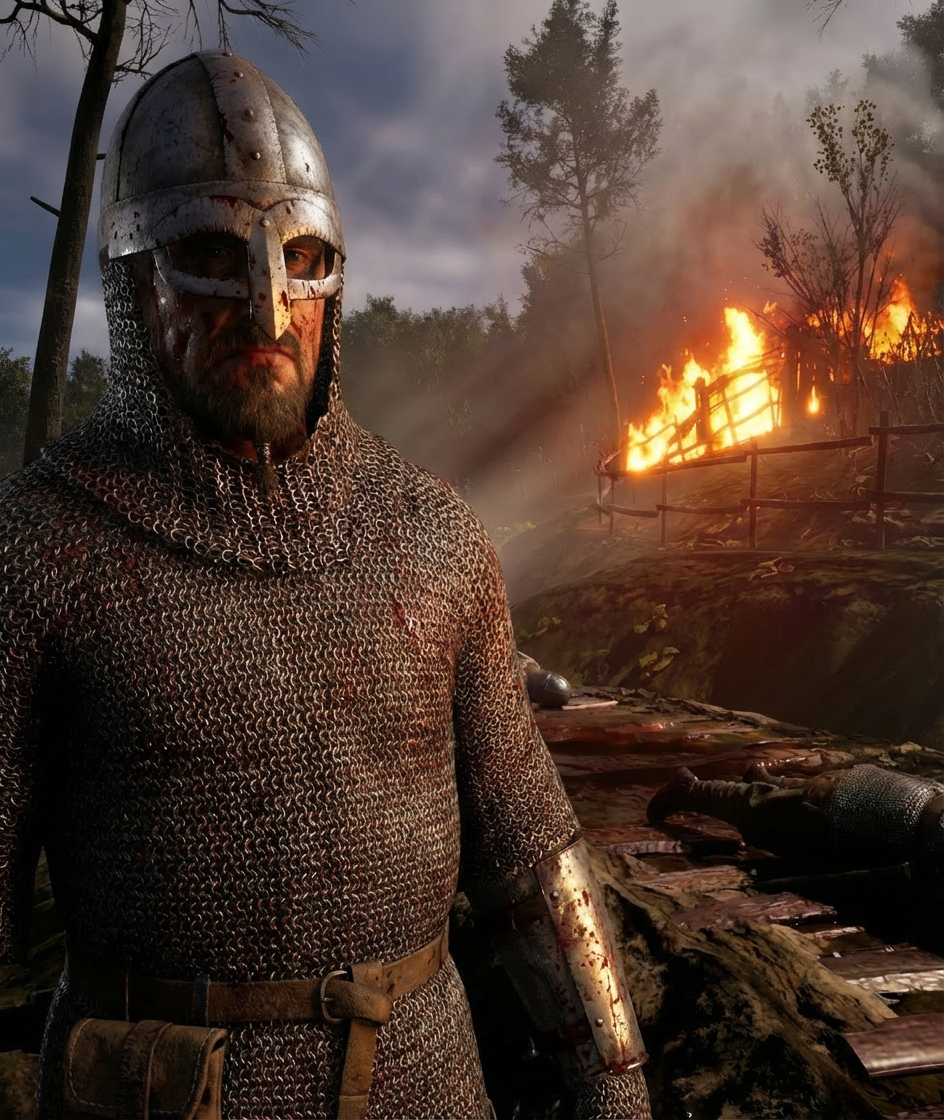
Medieval battle scene depicting the Great Pagan Rebellion of 983

"All the church treasures were plundered and much blood was shed in a regretful manner."

The greatest pagan revolt against imperial rule has just ignited. You are not its hero. Christian Empire claims the land in God's name. Vikings sell their swords to the highest bidder. Pagan tribes fight to keep their gods, their forests, and their lives.

Every faction needs something from you. None of them care if you survive.

You are not a savior. You are a mortal caught between men who fight for land — and gods who have their own plans for it.
The Eastern March

Land Contested by Men and Gods

Vikings called it Wendland. German Imperials: East March. Pagans and Christian Kings: Pomerania. It is a coastline — a corridor of rivers, islands, and trading ports where Slavic tribes, Norse merchants, and German missionaries press against each other without resolution.

Survival

Unforgiving Medieval Reality

No Map, No Markers

You scratch your own bark map. You ask strangers for directions and can't be sure they're telling the truth. You read the stars, the moss, the nature around you. How well you do it depends on what you know.

Winter Kills, Spring Opens

December means frostbite, empty stomachs, and roads that swallow travelers whole. March means rivers you can finally drink from and routes that were death traps two months ago. The calendar is your first enemy.

You Can Only Carry So Much

Everything in your pack has a place. The thing you need most is always at the bottom. You decide before you leave camp what you're willing to lose — because dropping your pack in the forest is not a plan.

Feed the Fire, Appease the Forest

A fire left to die costs you the night. Clay-pot broth raises your ceiling. A ritual skipped means the wrong thing crosses your path in the dark. None of this is superstition — it is the difference between walking out and not.

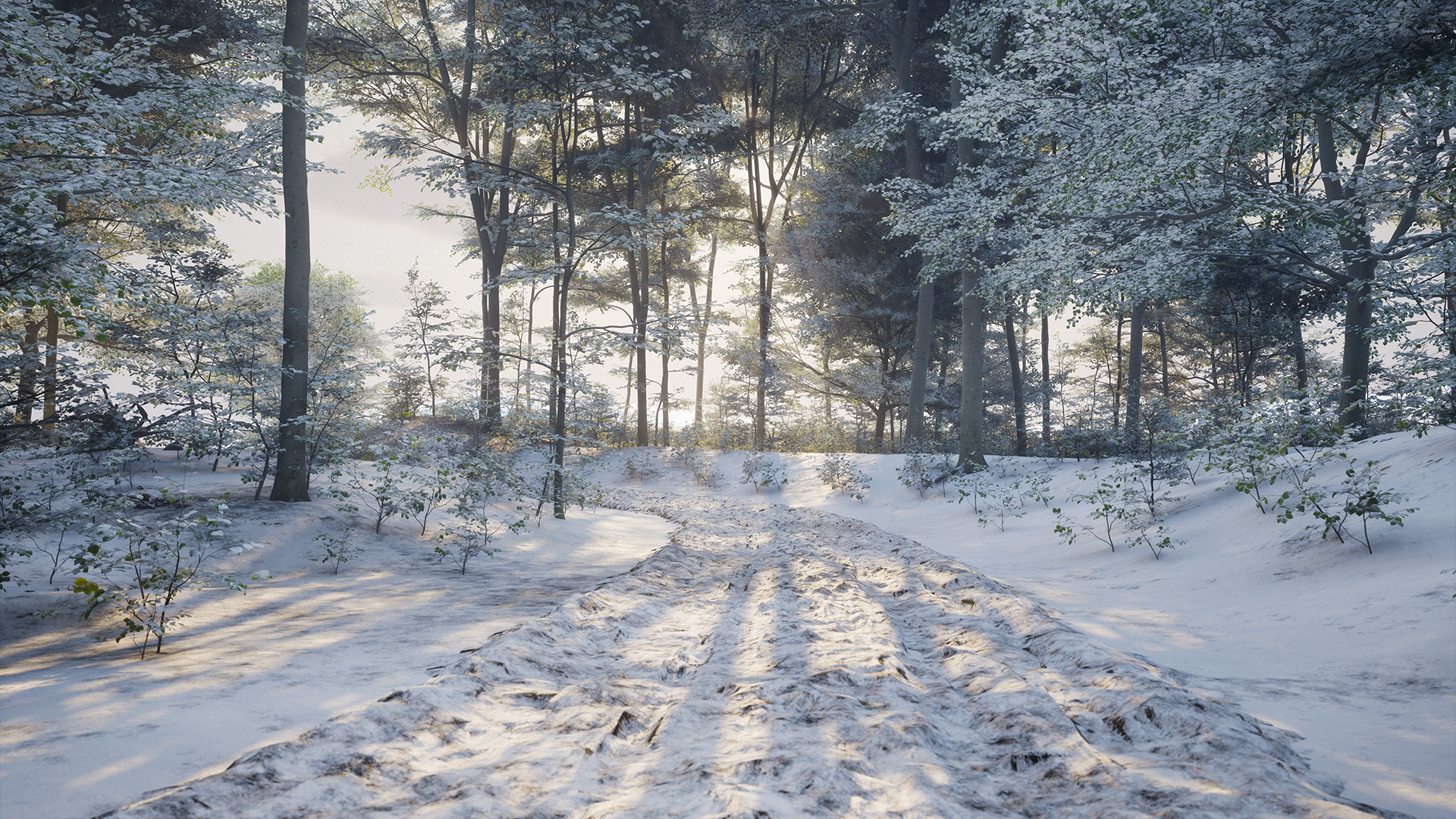
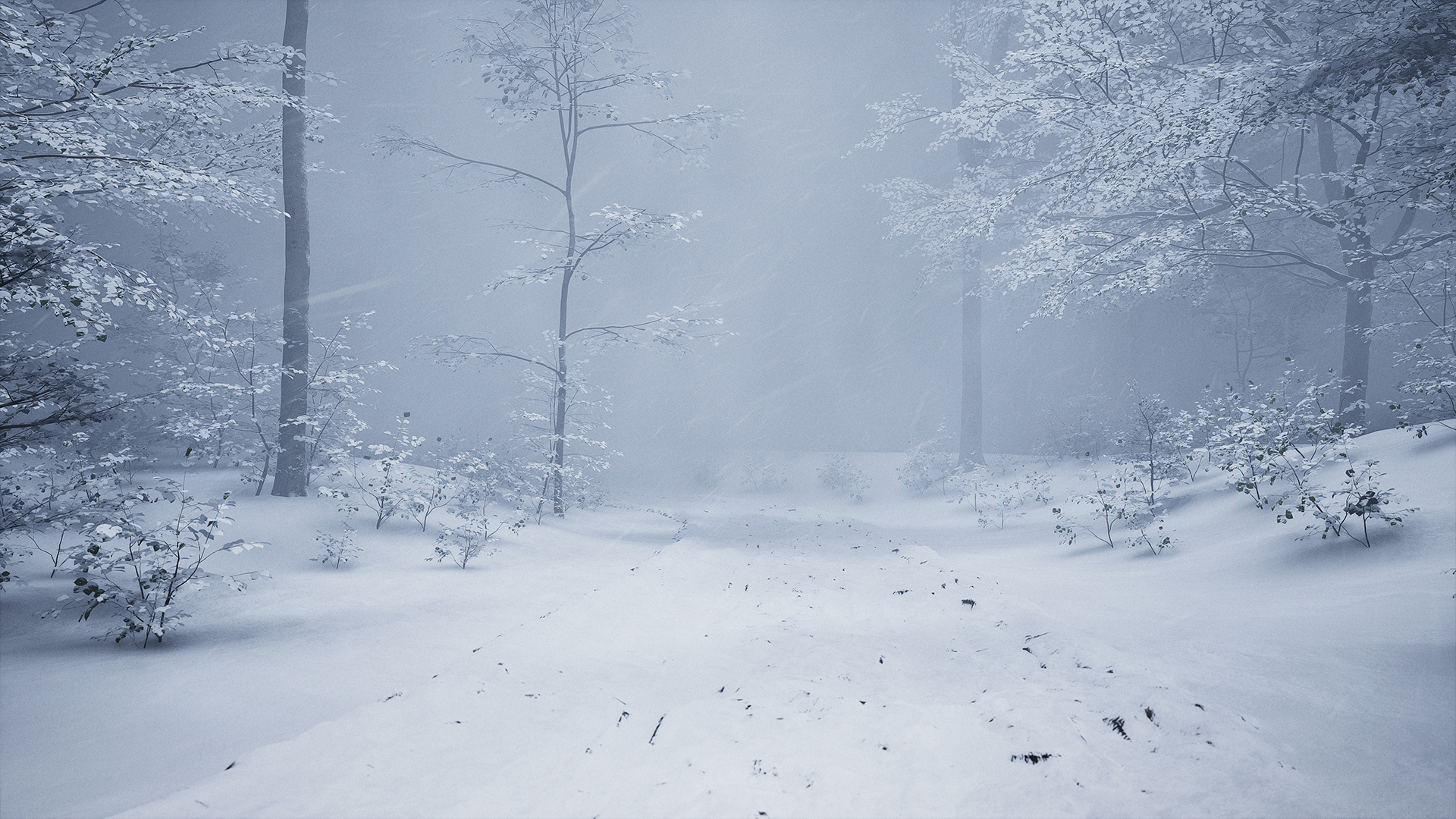
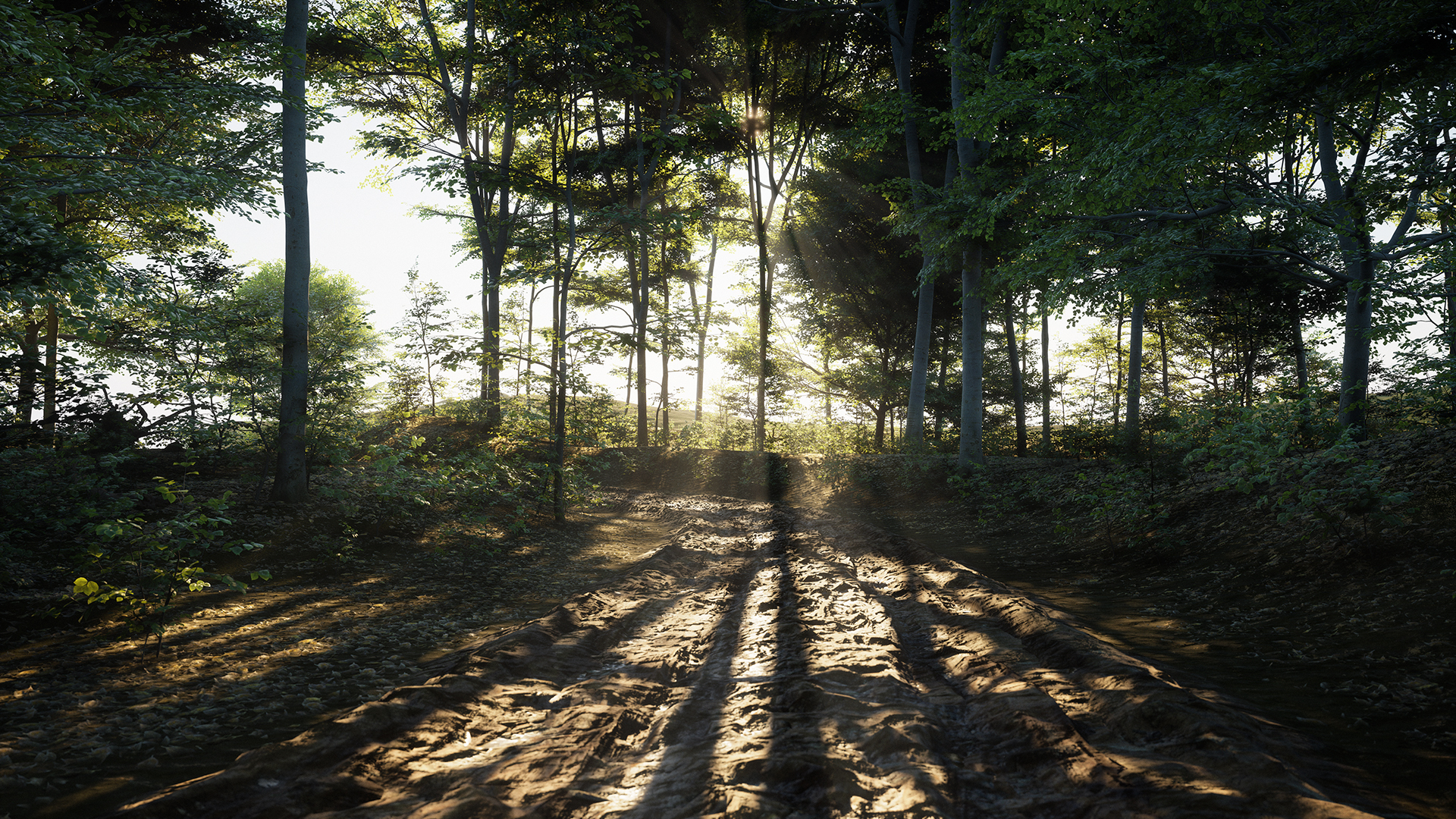
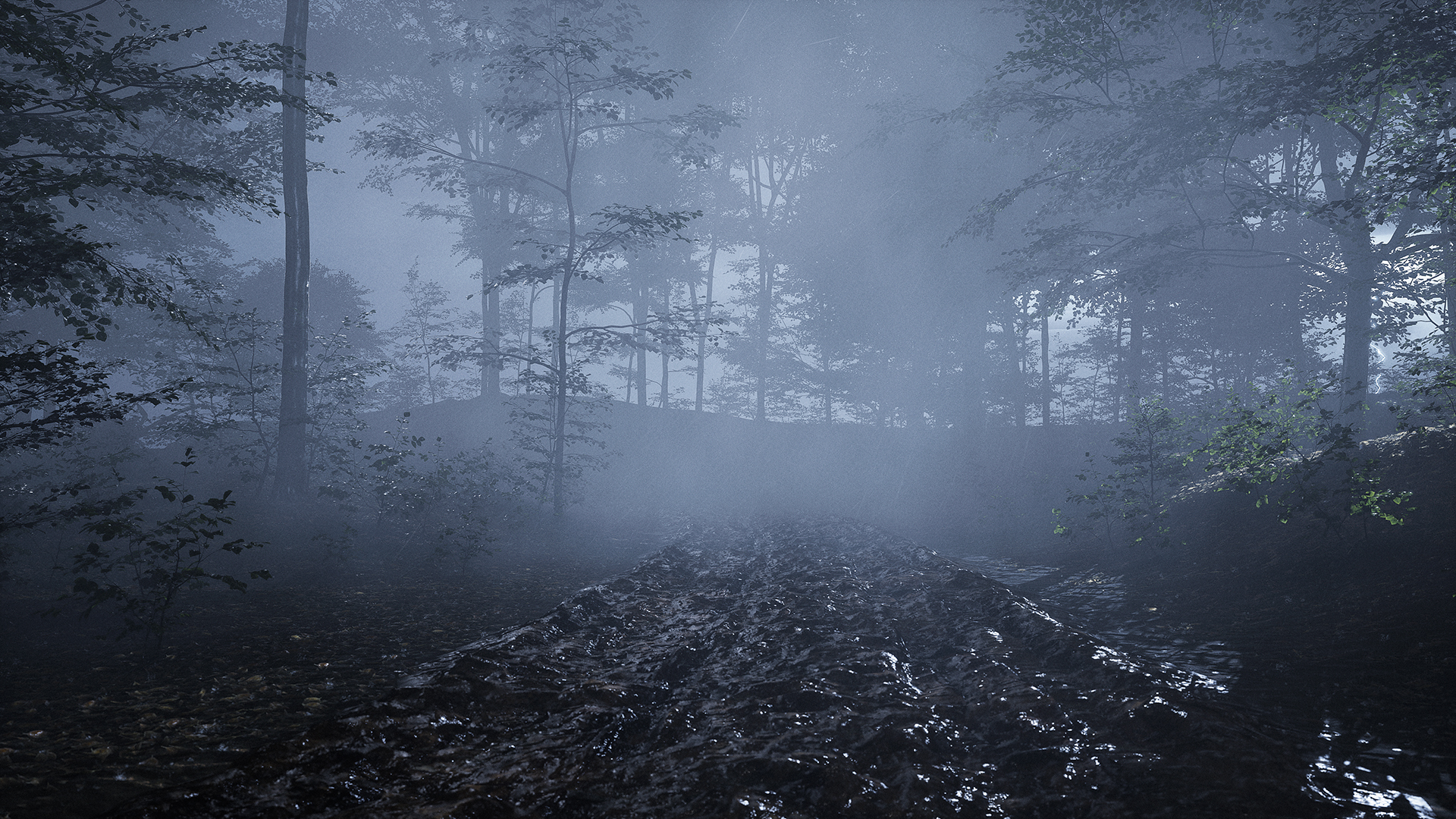
The forest road in autumnThe forest road in a thunderstormThe forest road in early snowThe forest road in deep winter

"The forest does not care about your plans. Neither does winter."

"Harald Gormsson had a large earl's kingdom in Vendland, where he had Jomsborg built, and put in it a considerable crew. They were called Jomsvikings."
Jomsvikinga Saga

Origin

Who Were You Before the Smoke Rose?

Choose your ethnicity, background, and faith. Every combination plays differently.

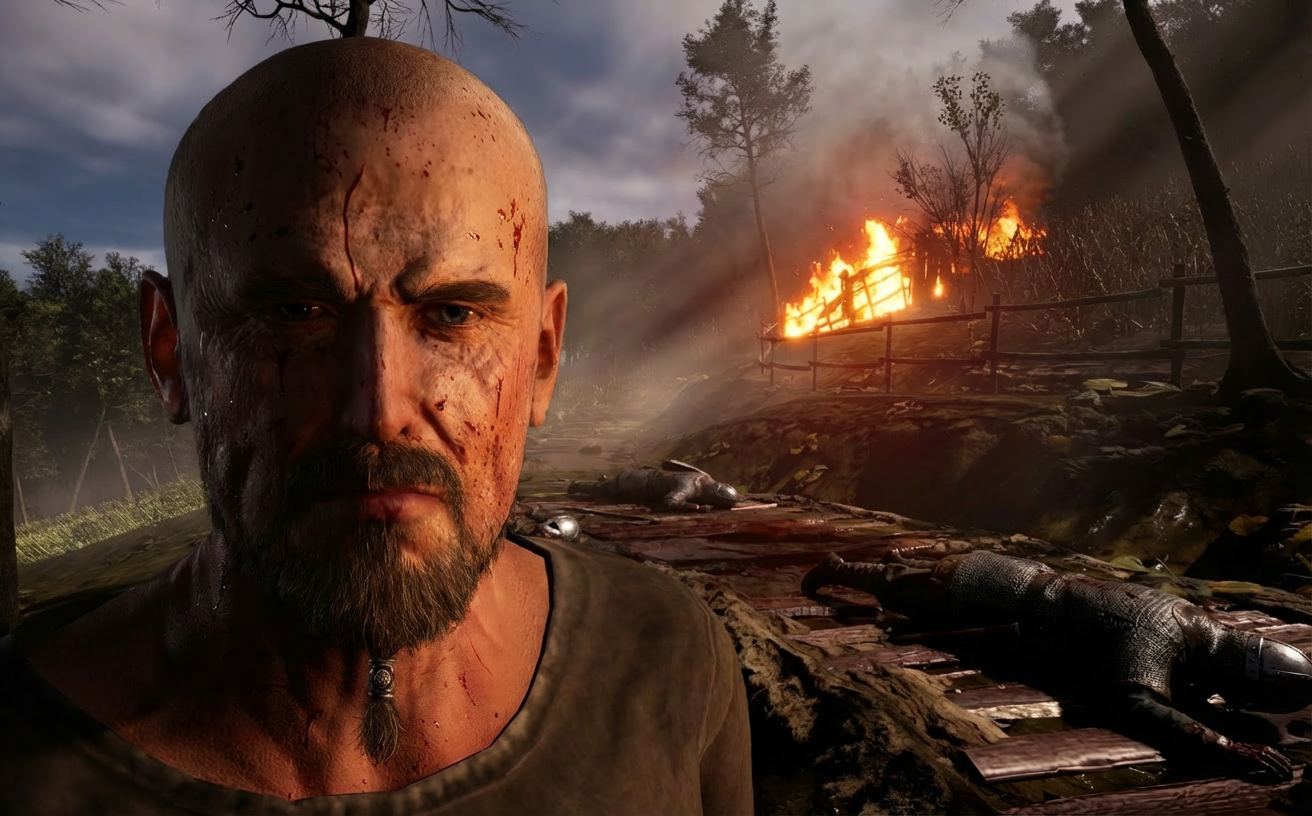
A traveler on the road through 10th-century Pomerania

You walk into a village. The guard looks at your face, your clothes, the way you carry yourself. Before you say a word, he has already decided what you are.

In 10th-century Pomerania, you are never simply a traveler. You are Slav or German, merchant or soldier, baptised or pagan, Norse-tongued or silent — and every combination is a different set of doors.

The same road leads to different places depending on who is walking it.

Your name opens gates — or closes them. Sometimes the same gate.

Ethnicity

Slav, Viking, Arab, or German. Your people determine your accent, your face, your default alliances — and which gates open without a hand on the hilt. The Eastern March has a long memory for who came from where.

Background

A trader whose caravan was ash. A soldier whose patrol never came home. A noble whose family was buried by men who still hold the seals. Your starting wound is personal. It shapes what you want and who will help you get it.

Profession

What you knew before the road. A commoner reads the forest. A merchant reads people. A soldier commands respect. Each profession opens different dialogue, different routes through the world — and different ways to be useful to men who would otherwise ignore you.

Faith

The gods you grew up with follow you — for a while. Your starting beliefs unlock rituals, shape NPC reactions in sacred spaces, and determine whether the creatures in the dark treat you as a stranger or something worse.

Languages

The Eastern March hosts many languages: Slavic, Norse, and German. Speaking a man's language earns you a different conversation entirely. The wrong accent in the wrong village is reason enough to bar the gate.

"The Slavic high priests and the Christian rulers claim they act in the name of their one true faith. Who is right?"

Gods

Gods' Playground

In the world of X century the gods are not distant. They are real and territorial.

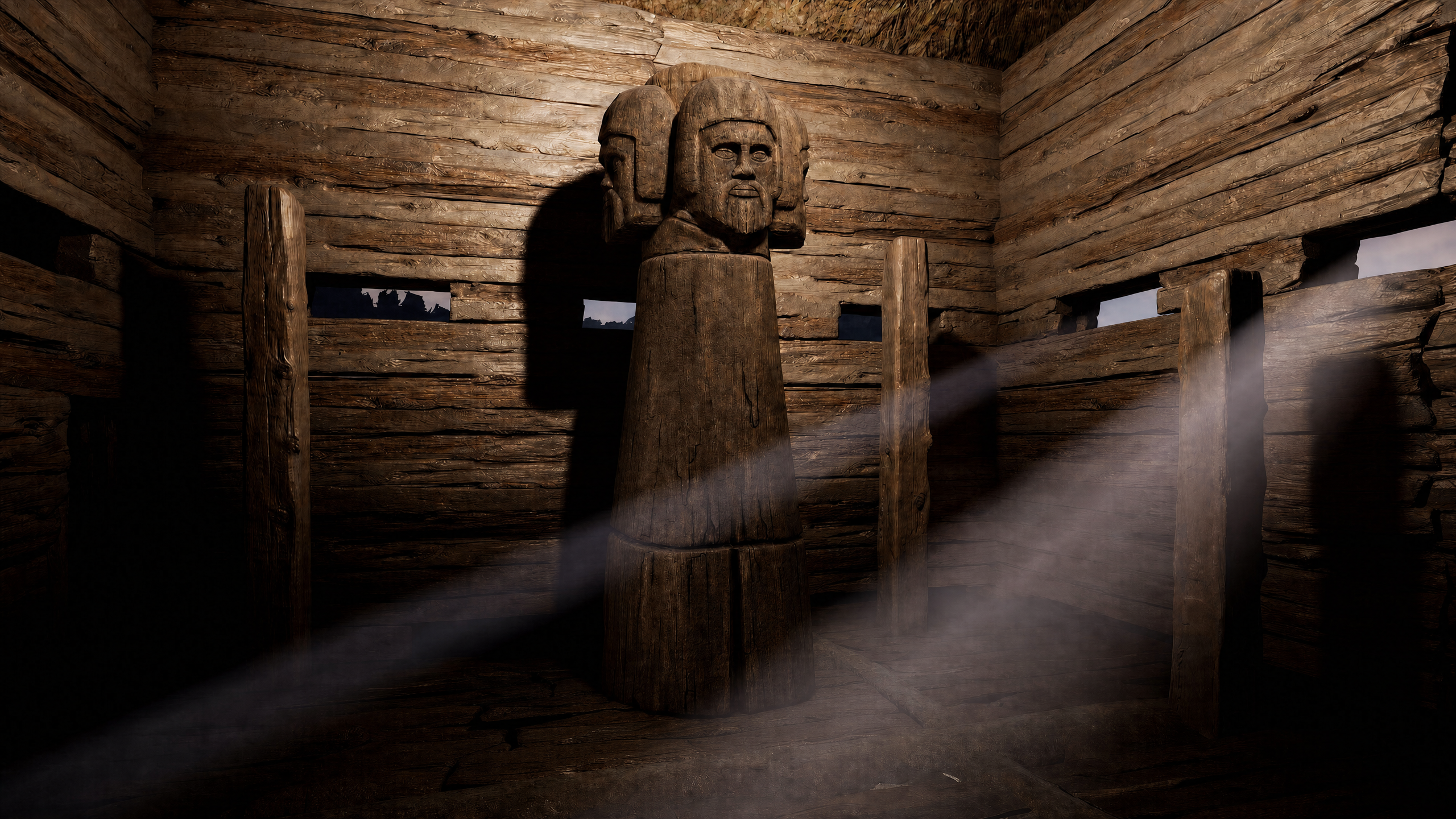
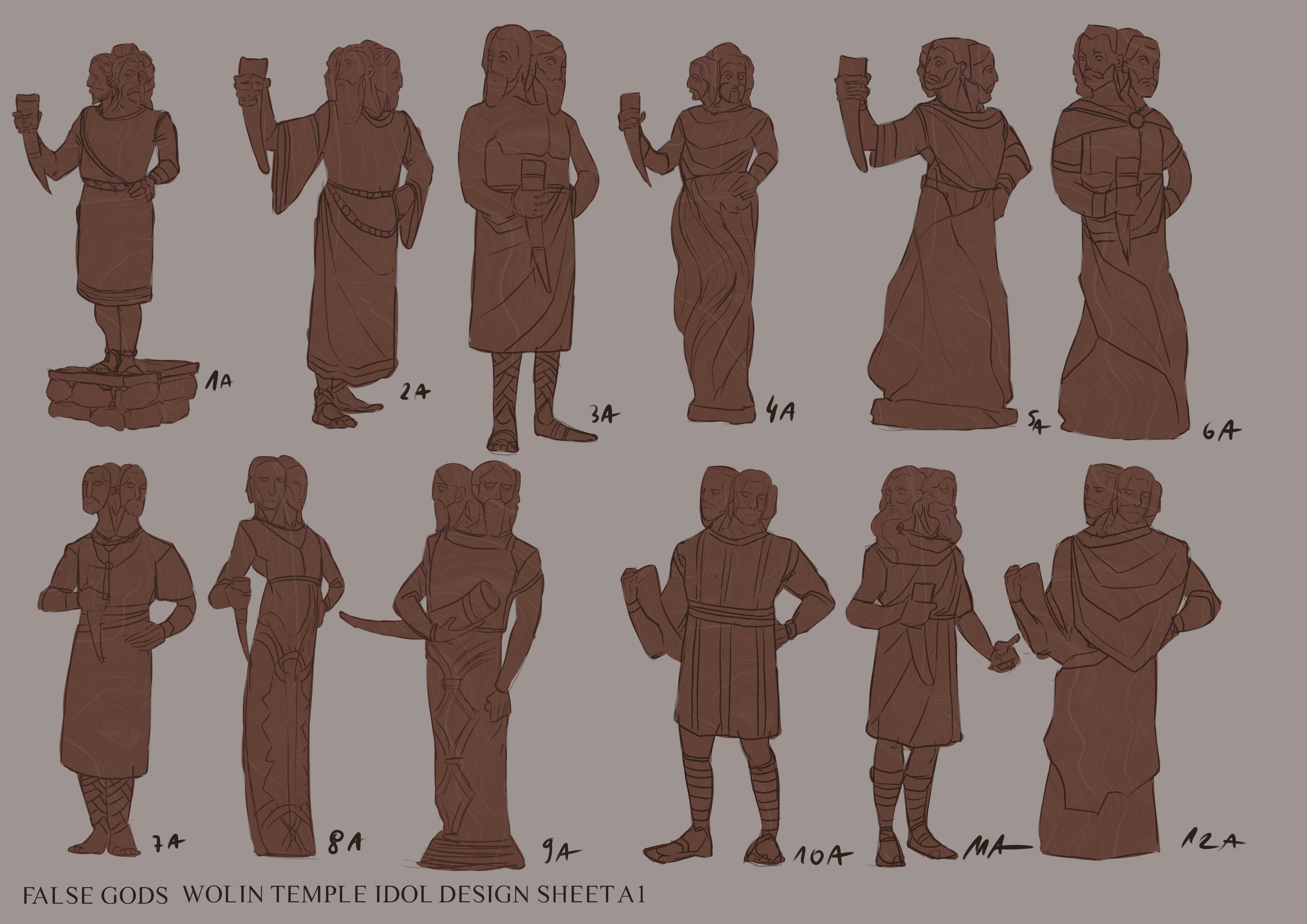
Slavic wooden idol inside a log temple with light rays

Territorial Theology

The rules of reality change depending on which faith dominates the land underfoot. Pagan forests enable rituals and host mythical creatures. Christian ground nullifies those abilities entirely.

Divine Favor

A ritual to the right deity reveals hidden resources. A deed seen as the sin by the gods who are hosts of the land under your feet may cost you more than you think.

Regional Folklore

For the people of the X century creatures from their beliefs were real. You may meet a supernatural creature from norse or slavic bestiary but it will be very rare and will require presence in the right territory, at the right time, often after performing the right ritual or deed.

Principles

Design Principles

The pillars that guide every design decision in False Gods.

01

Rare Supernatural

The pagan world is not dark and gruesome. It is sacred, alive, and ordered by ritual. Folk creatures exist — but they are rare. You will know one when you meet it.

02

Curiosity-Driven

Not another "sprawling open-world" saturated with repetitive map markers – curiosity is your compass.

03

Diegetic Interface

Your health is your labored breath and blurring vision. Your map is a piece of bark in your hand. No HUD bars. No GPS marker. No dotted line pointing to the exact location.

04

Historical Authenticity

Meticulously recreated world based on archaeological findings with historical figures, authentic settlements, clothing, and social structures.

05

The Living Year

Crops, markets, tribal gatherings, overseas trade, religious rites, winter crafts. The calendar drives survival as much as the wilderness. The world does not wait for you.

06

Your Name Outlives You

What we do in life echoes in eternity. You may restart the game after your death as your kin and inherit the reputation in the world.

Research

Built From History, Not Fantasy

The world of False Gods is reconstructed from archaeological excavations, chronicle accounts, and anthropological research.

Wolin

The Eastern March

Wolin

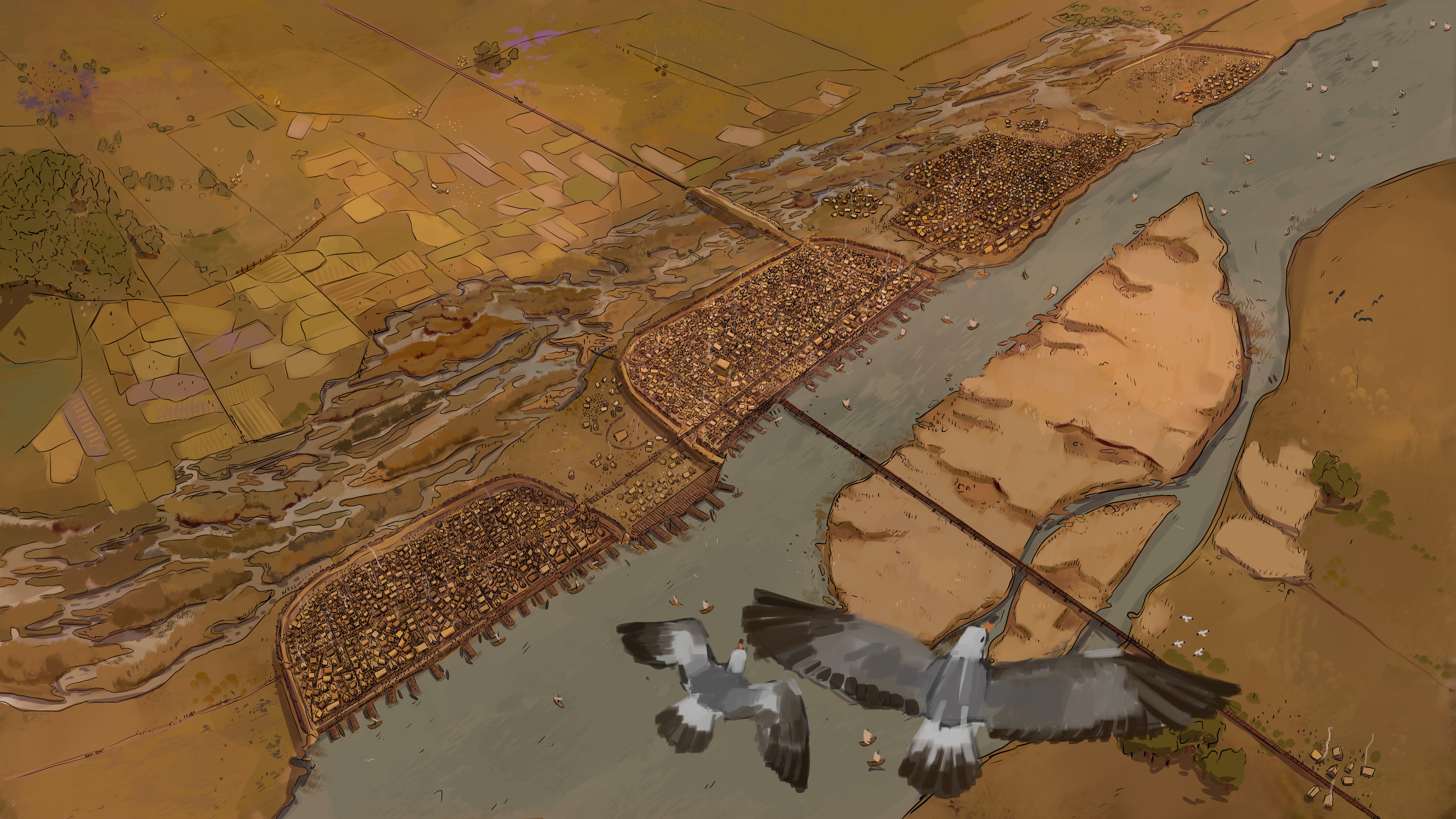
Population of 5,000–10,000. Slavic, Saxon, Norse districts side by side. Reconstructed from Ibrahim ibn Yaqub's account and two generations of excavation.

The Wanderer

Character Concept

The Wanderer

A figure displaced by conflict — origin shapes faith. Dress, posture, and weapon choices reconstructed from burial evidence across Pomeranian excavation sites.

Origin Archetypes

Who you were

Origin Archetypes

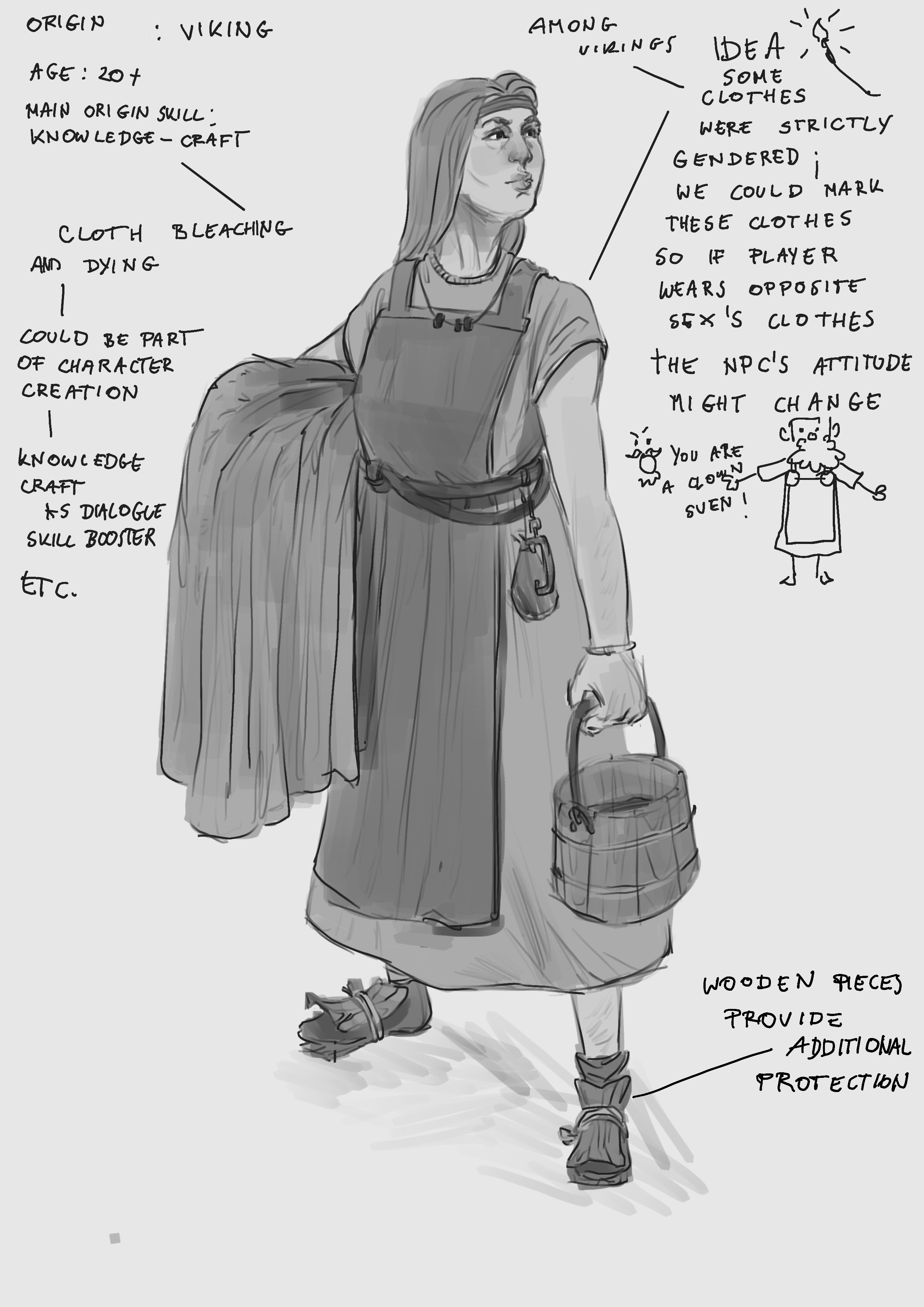
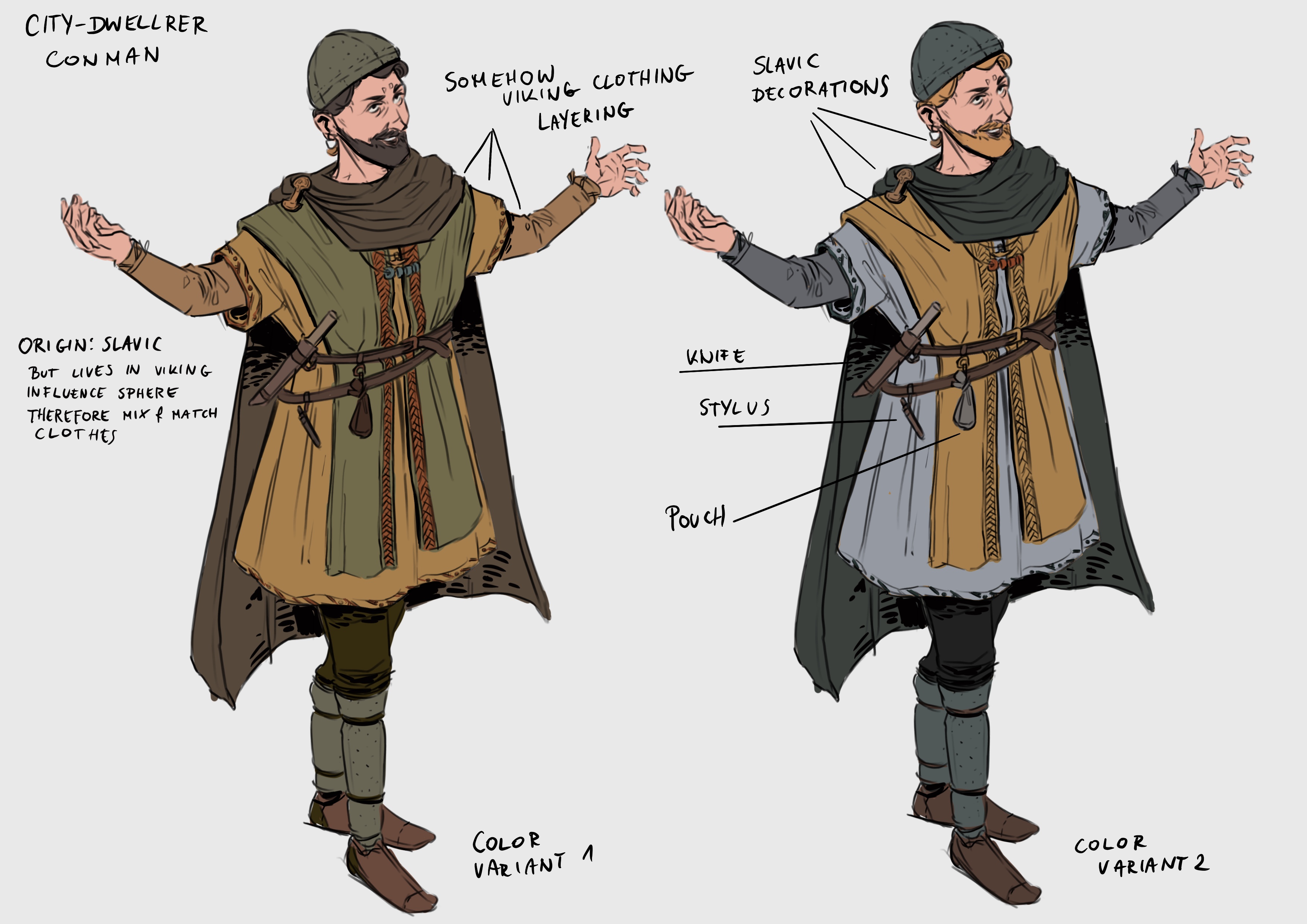
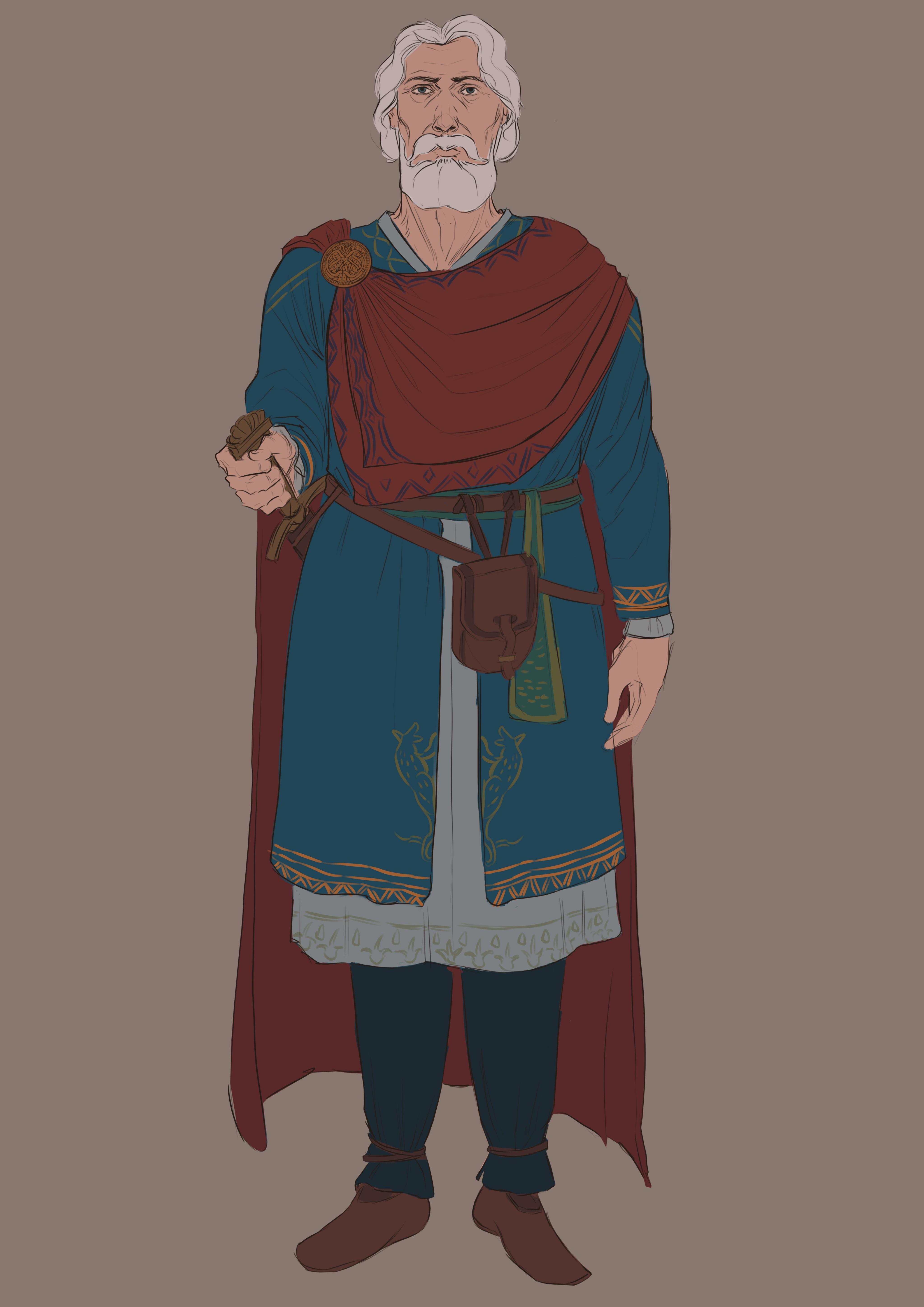
What you wear tells who you pray to. Each origin carries different allegiances, different gods, different survival odds in the X Century Eastern March.

Harald Bluetooth

King of Denmark, d. Jomsborg c. 986

Harald Bluetooth

The king who Christianised Denmark died in Wolin. His body was carried back to Roskilde. The most pagan port in the Baltic swallowed him whole.

Sacred Idol

Pagan Wolin, c. 980

Sacred Idol

Described by Thietmar of Merseburg. Carved faces, ritual fire, offerings. Not myth — documented by hostile Christian witnesses who wanted it destroyed.

Julki

Baltic Slavic Beings

Julki

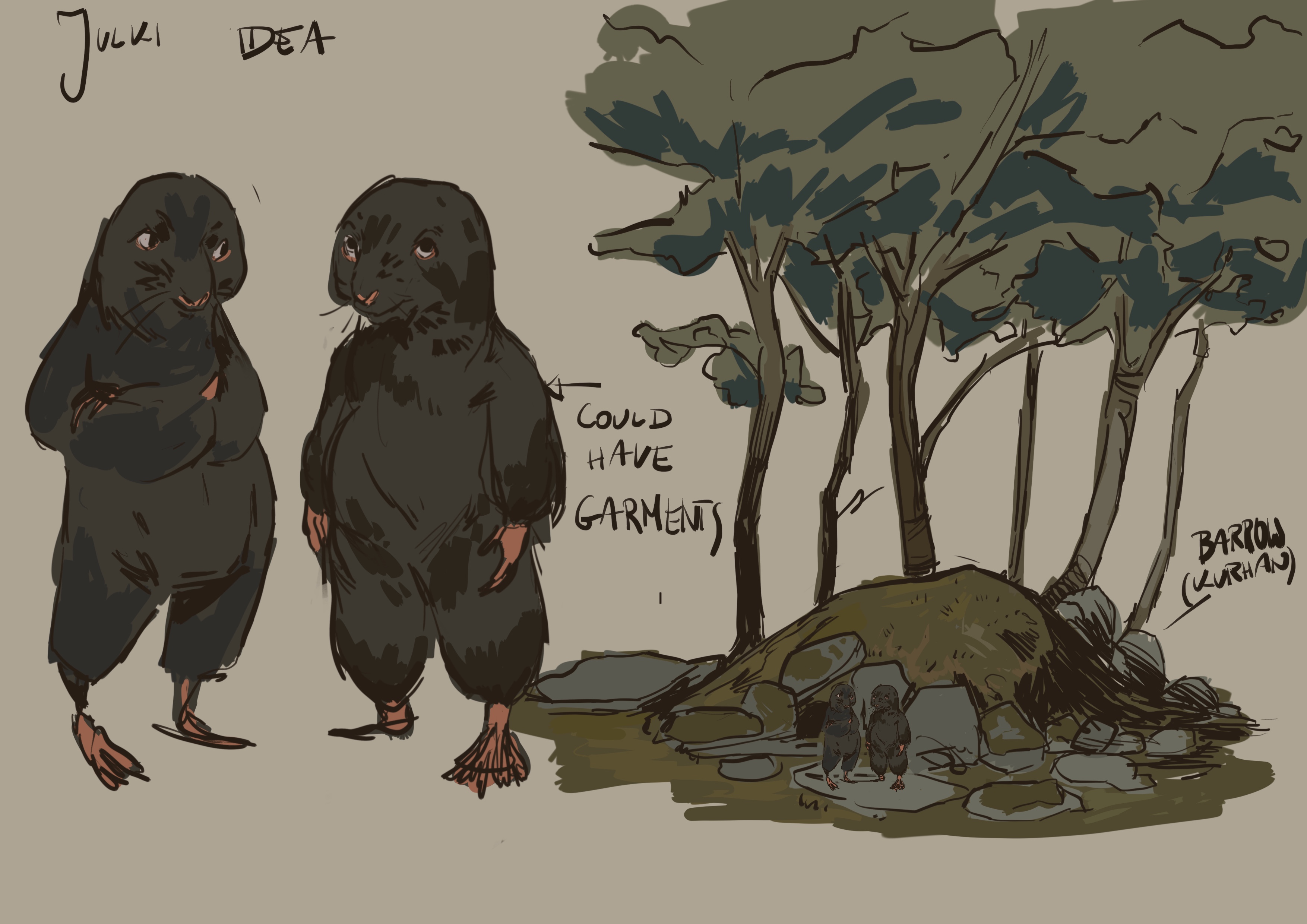
Creatures from the old world, documented in Baltic Slavic oral tradition. In the X Century you did not walk the marsh at night without knowing what watched back.

Institute of Archaeology and Ethnology PAN · University of Szczecin · Vikingeskibsmuseet Roskilde